

Your Trip Ended. Then It Came Back.

Updated: Mar 9
What 5-MeO-DMT Reactivations Are, Why They Happen, and What to Do When They Hit
You’re two weeks out from ceremony. The experience itself was the most intense thing you’ve ever been through — maybe the most intense thing possible. You did the work. You came back. You’re integrating.
Then one night, you’re drifting off to sleep, and it starts again.
The dissolution. The white light. That feeling of everything and nothing at the same time. Your heart hammers. Your body locks up. And the thought arrives before you can stop it: Something is wrong with me.
Nothing is wrong with you. What you’re experiencing has a name. It’s called a reactivation — and it’s far more common than most people realize.
This Isn’t a Flashback
Let’s get the language right first. The word “flashback” carries baggage — decades of anti-drug propaganda, clinical PTSD terminology, the implication that something broke inside your brain. Reactivations aren’t that.
A reactivation is a spontaneous re-experience of the 5-MeO-DMT state that occurs days, weeks, or even months after the original ceremony. It can range from a subtle body buzz to a full-blown return to the peak experience. Martin Ball, who’s written extensively on 5-MeO-DMT, puts it bluntly: a full reactivation can be “phenomenologically indistinguishable” from the original experience itself.
Read that again. Not similar. Not reminiscent. Indistinguishable.
What the Research Says
Until 2022, everything we knew about reactivations was anecdotal — forum posts, whispered conversations in integration circles, trip reports on Erowid. Then Ana María Ortiz Bernal and her team at Johns Hopkins published the first systematic study on the phenomenon.
Here’s what they found:
They’re common. The study looked at two samples — people who’d used 5-MeO-DMT in structured group settings and a general population of users. Reactivations were reported across both groups at significant rates.
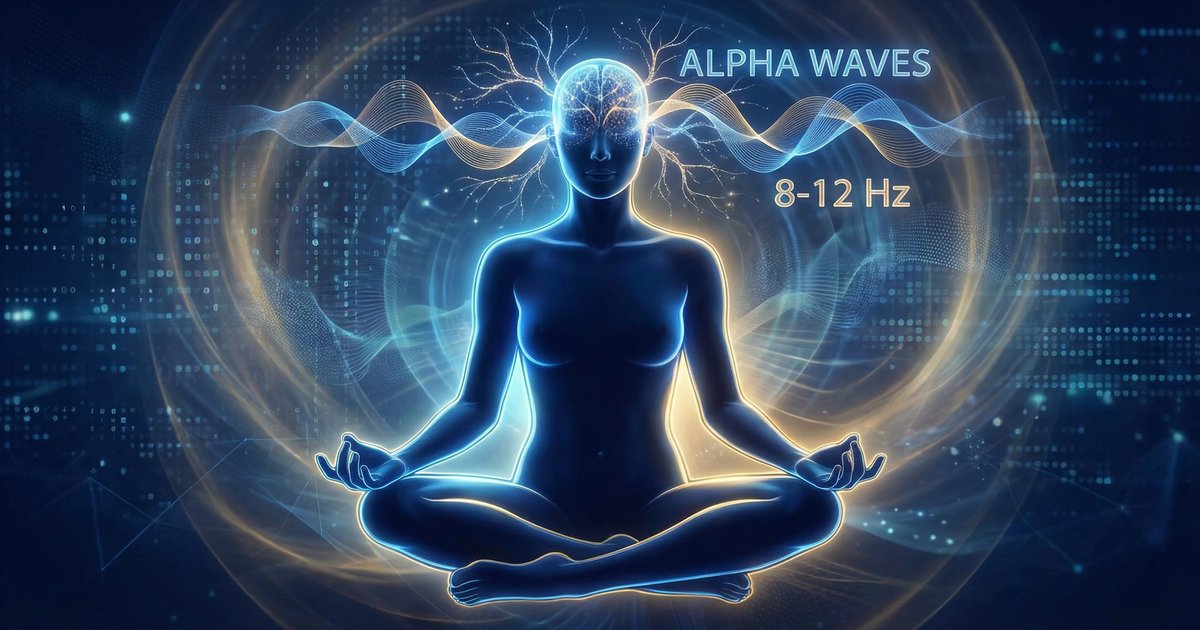
Certain things trigger them. The activities most associated with reactivations are falling asleep, meditating, practicing mindfulness, relaxation techniques, and being in nature. What do all these have in common? They’re states that induce alpha brain wave oscillations — the same brainwave pattern associated with relaxed, inward-focused awareness.
Your wellbeing matters. People with higher current personal wellbeing were significantly more likely to experience their reactivations as positive or neutral. The quality of your life after ceremony influences the quality of the reactivation itself.
They fade with time. Anecdotal reports and the research both point the same direction — reactivations tend to become less frequent and less intense the further you get from the original experience.
What It Actually Feels Like
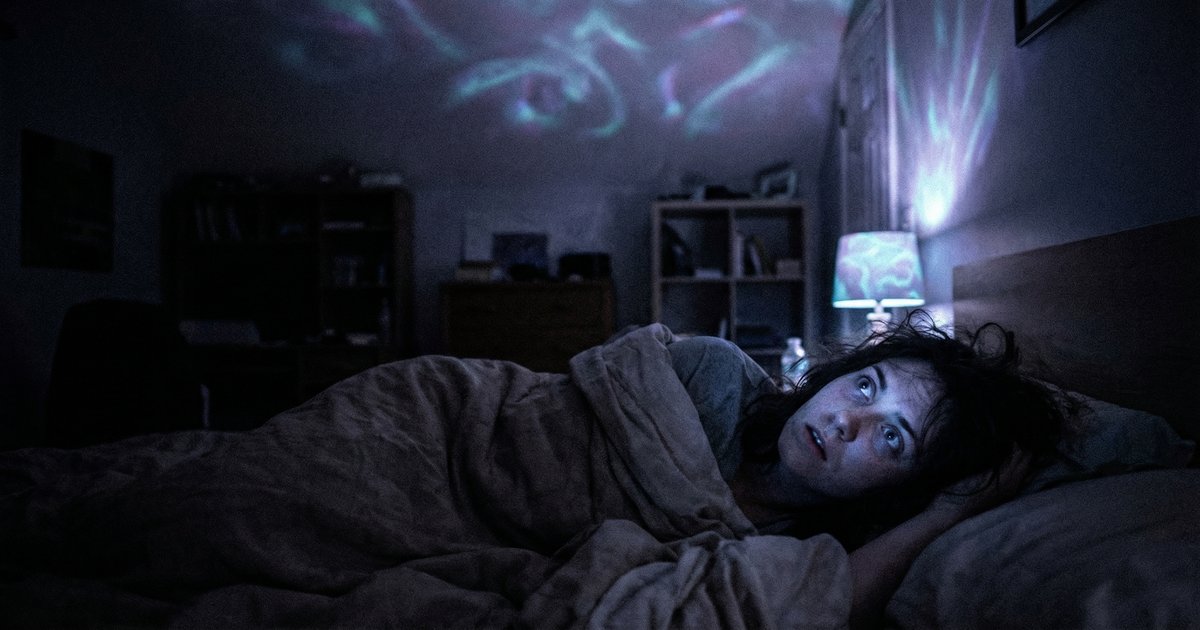
The clinical language is useful, but it doesn’t capture what it’s like to be lying in your bed at 2 AM wondering if you’ve lost your mind. Here’s what real people have reported:
One user on Erowid described waking up in the middle of the night, two days after his ceremony: “Something feels extremely wrong, as I come to sense I can recognize my feeling as fear, complete horror. I don’t know where it comes from, the source of the horror is bottomless.” He couldn’t sleep the rest of the night. He woke his friend and they walked through the forest until dawn. By morning, the terror had shifted: “I go down on my knees and touch the earth in mercy. I stretch my arms to the sky… I’m so grateful to just be human on earth.”
That arc — from terror to profound gratitude — is one of the most common reactivation patterns.
Another user described it happening ten months later, triggered by a completely different substance: “It was for sure 5-MeO as it was the same exact feeling. It was nothing but amazing, but only because I was completely ready for it… and it hit me when I least expected it.” He laughed uncontrollably for two hours.
A third described the experience as permanent background noise: “Like tinnitus, the effects never seem to disappear completely as the material wears off. It’s more like the amplitude was decreased until there’s no sign of it — meaning that the source of the signal would always be there.”
Three people. Three completely different reactivation experiences. One terrifying. One ecstatic. One subtle and ongoing. All of them real. All of them normal.
Why This Is Actually Good News

I know — “good news” is a hard sell when you’re shaking in your bed at 3 AM. But stay with me.
Reactivations are your nervous system continuing to process what happened. The 5-MeO-DMT experience is, for most people, the single most intense thing their consciousness has ever encountered. Your brain doesn’t just file that away neatly. It keeps working on it — especially during the states where your normal defenses are down: sleep, meditation, deep relaxation.
This is why integration isn’t optional. It’s not a nice-to-have add-on to the ceremony. It’s the difference between a reactivation that sends you to the emergency room in a panic and one where you breathe through it and come out the other side with a deeper understanding of yourself.
The Ortiz Bernal study confirms this: your wellbeing directly moderates the emotional quality of reactivations. Better integration. Better support system. Better relationship with the experience. Better reactivations.
What to Do When It Happens
Don’t panic. This is the hardest one and the most important. You are not having a psychotic break. You are not permanently altered. This is a known, documented phenomenon that other people have experienced and moved through.
Ground yourself. Feet on the floor. Cold water on your face. Name five things you can see. Your body is your anchor — use it.
Don’t fight it. Resistance amplifies reactivations. The guy on Erowid who tried to stay awake all night out of fear had a worse time than the one who laughed for two hours. Surrender isn’t weakness here — it’s strategy.
Tell someone. This is not the time to tough it out alone. Call your integration coach. Call the friend who sat with you. Call someone who understands what you went through.
Write it down. What triggered it? What did it feel like? How long did it last? What emotion came with it? This data becomes gold in integration sessions. Patterns emerge. Triggers become predictable. Predictable becomes manageable.
Keep integrating. Reactivations are not a sign that you need to stop doing the work. They’re a sign that the work is still happening. Meditation might trigger one — but meditation is also how you build the capacity to move through it.
The Question Nobody Asks
Here’s what I’ve noticed working with men after their 5-MeO-DMT experiences: everyone asks why is this happening? Almost nobody asks what is this trying to show me?
That shift — from fighting the experience to being curious about it — changes everything. The reactivation itself might not change. Your relationship to it does. And that relationship is the entire point of integration.
Your trip ended. Then it came back. Not because something went wrong — because something is still working.
Ready to Make Sense of What Happened?
If you’re experiencing reactivations and trying to figure out what comes next, that’s exactly what integration coaching is for. Book a session and let’s talk about it.


Comments