

From Guild Leader to Men’s Circle: What World of Warcraft Taught Me About Brotherhood
- Sascha Kuhlmann

- Feb 25
- 5 min read
Updated: Mar 9
I ran a guild called Epic Wipe.
At its peak, 120 people. Raids three nights a week. Loot drama, personality clashes, people rage-quitting at 11 PM on a Tuesday because a hunter rolled need on a caster ring. I managed all of it.
I also hit Rival in 2v2 arena during Wrath of the Lich King—which, if you know, you know. If you don’t: it means I spent an unreasonable number of hours getting punched in the face by Death Knights so I could earn a title most people never got.
I played both factions. Multiple classes. I didn’t just want to see one side of the game—I wanted to understand the whole system. That’s how I’m wired.
I’m telling you this because most people hear “World of Warcraft” and think: escapism. Basement. Mountain Dew. They don’t think: leadership training.
But that’s exactly what it was. And I’m not the only one saying it. In 2007, IBM partnered with MIT and Stanford to study leadership in online games. They surveyed 200 people and found that half said MMO gaming improved their real-world leadership skills. Four out of ten had already applied guild leadership techniques at work. The study called it “leadership flexibility”—the ability to swap roles depending on the task, adapt on the fly, and lead without a title. I didn’t read that study back then. I was too busy living it.
Guilds Are Men’s Circles With Different Window Dressing
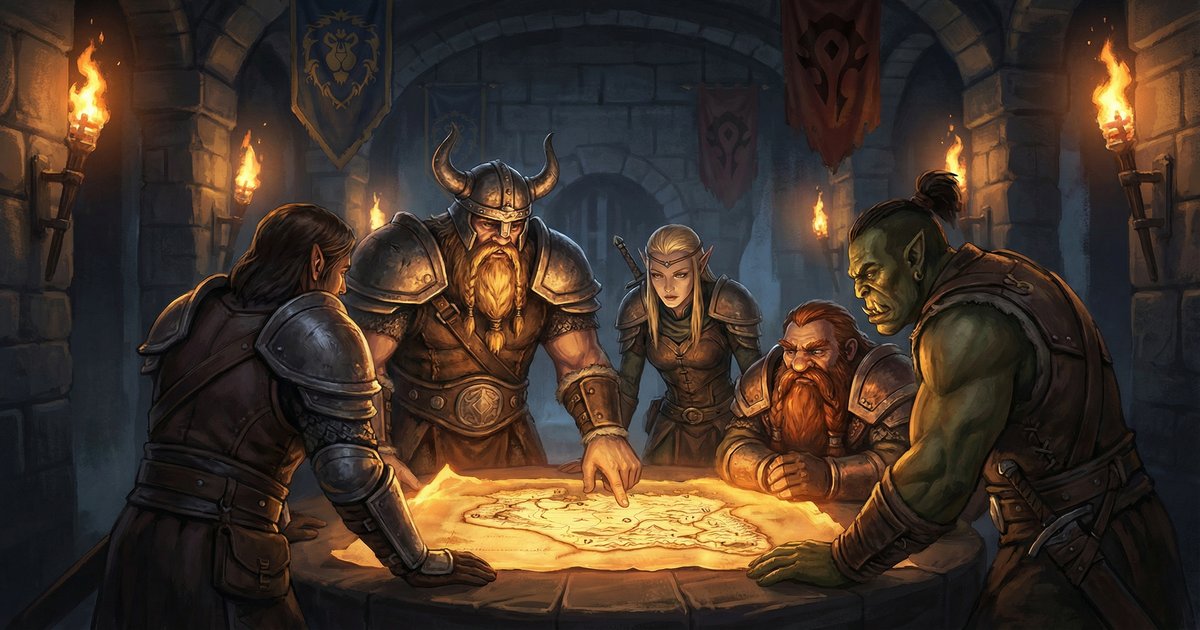
Think about what a guild actually requires:
A shared mission. Twenty-five people logging on at the same time, coordinating roles, showing up even when they’d rather not—because the group needs them. That’s not casual gaming. That’s commitment to something bigger than yourself.
Initiation. In Epic Wipe, we had a ceremony at the guild bank. You didn’t just get an invite and show up. You earned your place. I didn’t have the vocabulary for it back then, but I was running initiation rituals in a video game a decade before I started holding space in men’s circles.
Vulnerability through struggle. Here’s something non-gamers don’t understand about wiping on a raid boss for four hours straight: it bonds people. You’re failing together, over and over, adjusting, calling out mistakes—yours and others’—and choosing to come back. Nobody’s pretending they’ve got it figured out. You can’t fake competence when the boss keeps killing you.
A 2021 systematic review in Frontiers in Psychology looked at this directly. They found a “significant positive relationship between playing MMOs and social well-being”—and it held regardless of age or how hardcore you played. The bonding that happens in guilds isn’t a side effect of gaming. It’s the main event.
That’s the same energy I see in circle now. Men showing up, getting knocked down by life, naming it out loud, and choosing to come back next week.
Leadership as service. Running a 120-plus players guild isn’t a power trip. It’s emotional labor. You’re mediating conflicts at midnight. You’re having conversations with people who want to quit. You’re making decisions that piss off half the roster and then showing up the next day to hold it together anyway.
Sound familiar? It should. That’s what holding space looks like.
The Thread I Didn’t See for Years
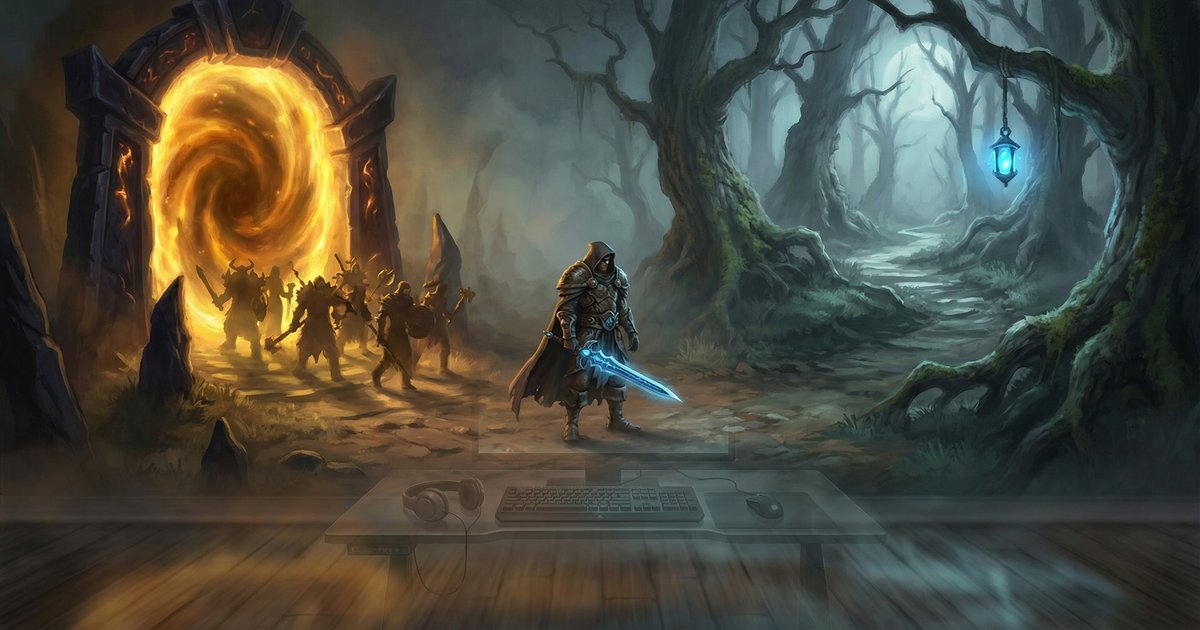
I left WoW eventually. Life moved on. Career in enterprise tech. Marriage, kids, the whole arc. Then in 2018, I sat in a cabin in the redwoods north of Mill Valley and had my first experience with 5-MeO-DMT.
Everything changed after that. Not overnight—over years. But the direction was set.
When I started sitting in men’s circles, something felt familiar. Not the content—the structure. The check-in round. The shared commitment. The understanding that you show up even when you don’t feel like it, because the group holds something you can’t hold alone.
I’d been doing this before. I just didn’t know what to call it.
The guys in my guild were mostly men. We didn’t talk about feelings—we talked about DPS rotations and raid strategies. But when someone’s marriage was falling apart and they told you in guild chat at 1 AM, you listened. When someone disappeared for weeks and came back quiet, you noticed. The container existed. We just never named it.
Why This Matters for Integration
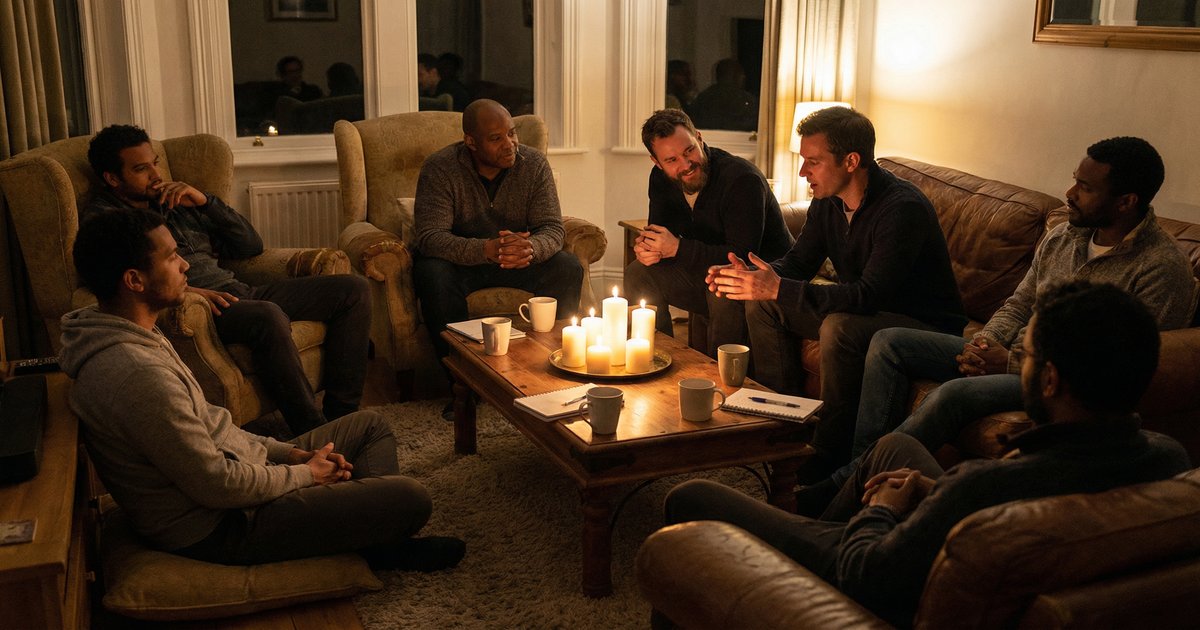
Researchers have started calling MMO communities “third places”—spaces that aren’t home and aren’t work, where organic social connection happens naturally. Sociologists found they prevent loneliness and support people with mental health challenges, partly because the avatar gives you just enough distance to be honest.
A lot of the men who find their way to psychedelic integration coaching are gamers—or former gamers. They already know what brotherhood feels like. They’ve experienced the trust that comes from failing together, the accountability of showing up when others are counting on you, the vulnerability of admitting you don’t know what you’re doing.
They just don’t recognize it yet.
When a man sits in circle for the first time and says “I’ve never had this before,” I want to push back gently: Have you, though? Think about the guild. The raid team. The late-night voice chat where someone said something real and everyone got quiet for a second.
That was brotherhood. Imperfect, unnamed, wrapped in a video game—but real.
The difference now is that we name it. We make it intentional. We bring the same commitment to our inner work that we once brought to progression raiding.
And nobody has to roll need on your healing.
The Name Tells the Truth
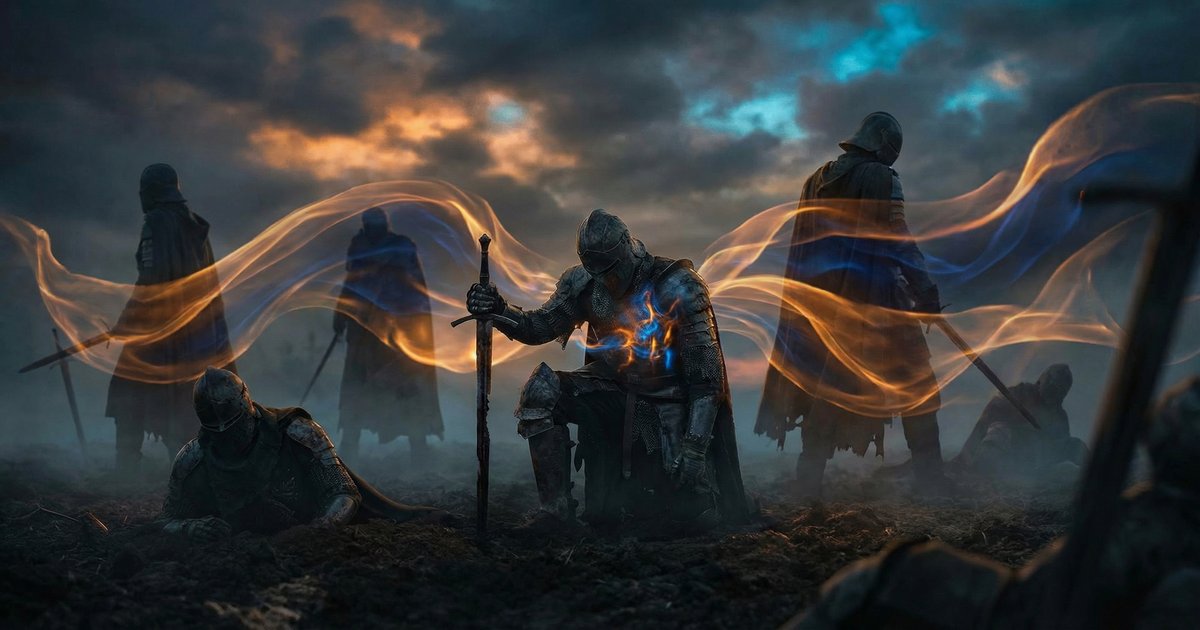
I named my guild Epic Wipe — a wipe is when the whole raid goes down. Everyone dies. And then you run back, rebuff, and pull again. That’s the deal. You don’t quit after a wipe. You figure out what went wrong and you go again.
That’s what men’s work is, honestly. You wipe. Life hits you—divorce, addiction, loss of purpose, a 5-MeO ceremony that cracks you wide open. And then you get back up, figure out what went wrong, and go again. Not alone. With your guild.
I’ve been chasing that feeling since before I knew what it was—in a video game, in a redwood forest, and now in a room with men who are brave enough to show up and do the work.
If you’re a gamer who’s been through a 5-MeO-DMT experience and you’re wondering what comes next—integration coaching is where it starts. The Brotherhood is for men who’ve done the work. Book a session and let’s talk.
Ready to Do the Work?
Psychedelic integration coaching for men. One-on-one sessions to turn insight into lasting change. Book a free consultation.
Sascha Kuhlmann is the founder of Adult in Training, offering psychedelic integration coaching for men. He’s a certified 5-MeO-DMT Integration Specialist and former guild leader who still thinks about that one raid where everything clicked.


Comments